Marissa Ramnanan 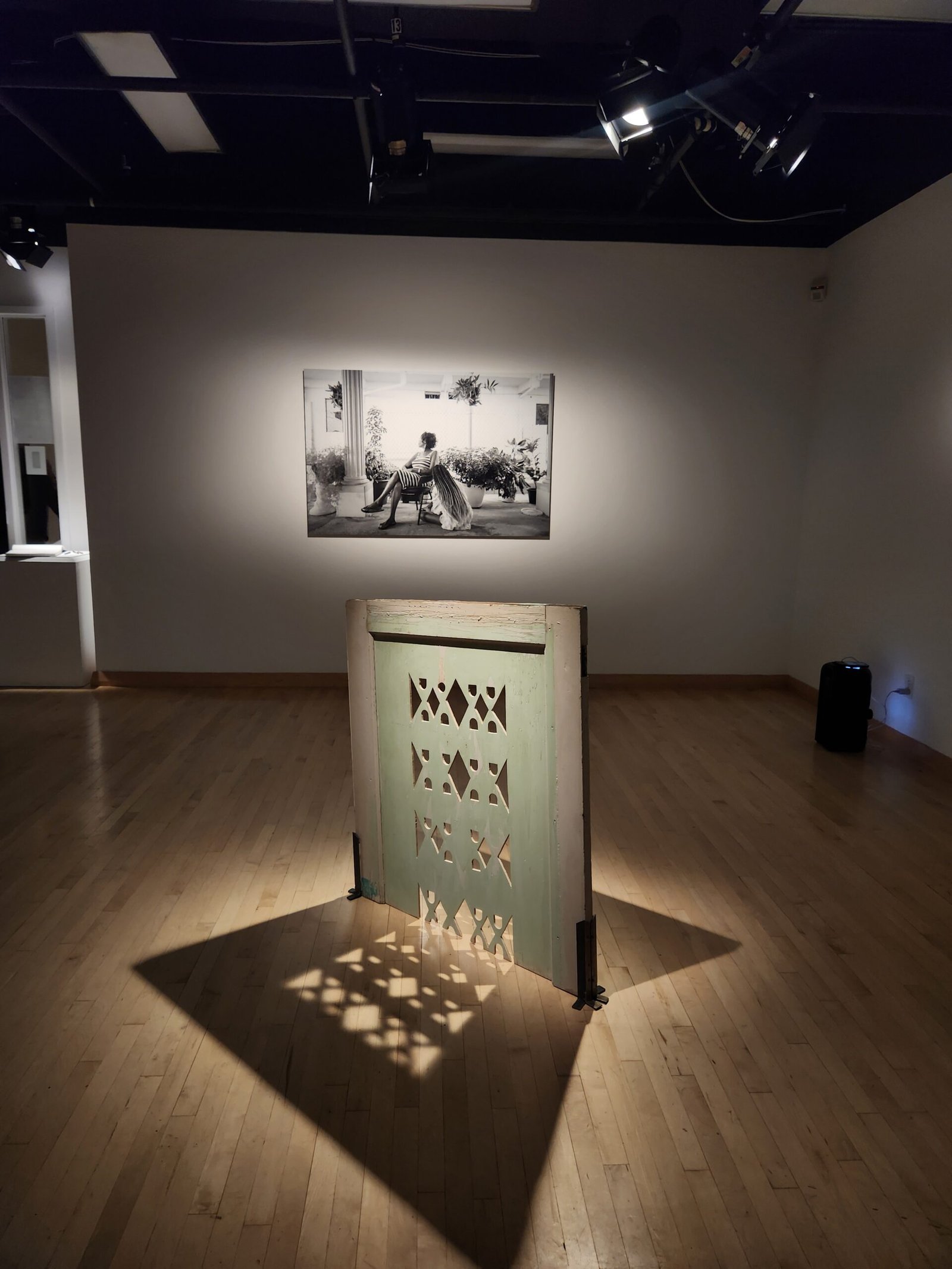
Walking into the exhibition space in Maison de la culture de Côte-des-Neiges feels like a homecoming for anyone with Caribbean roots.
Munching on pholourie, with rum punch sloshing in cups and calypso music playing faintly in the background—- it’s like being transported to Port of Spain, Trinidad and Tobago. The only thing missing is the sound of birds chirping.
“The Ties that Bind” was created by Trinidadian-Canadian artist Asia Mason and curated by Pat Dillon Moore. The space is a vision to behold. In my opinion, it’s an archival study of architecture, ancestry and political commentary.
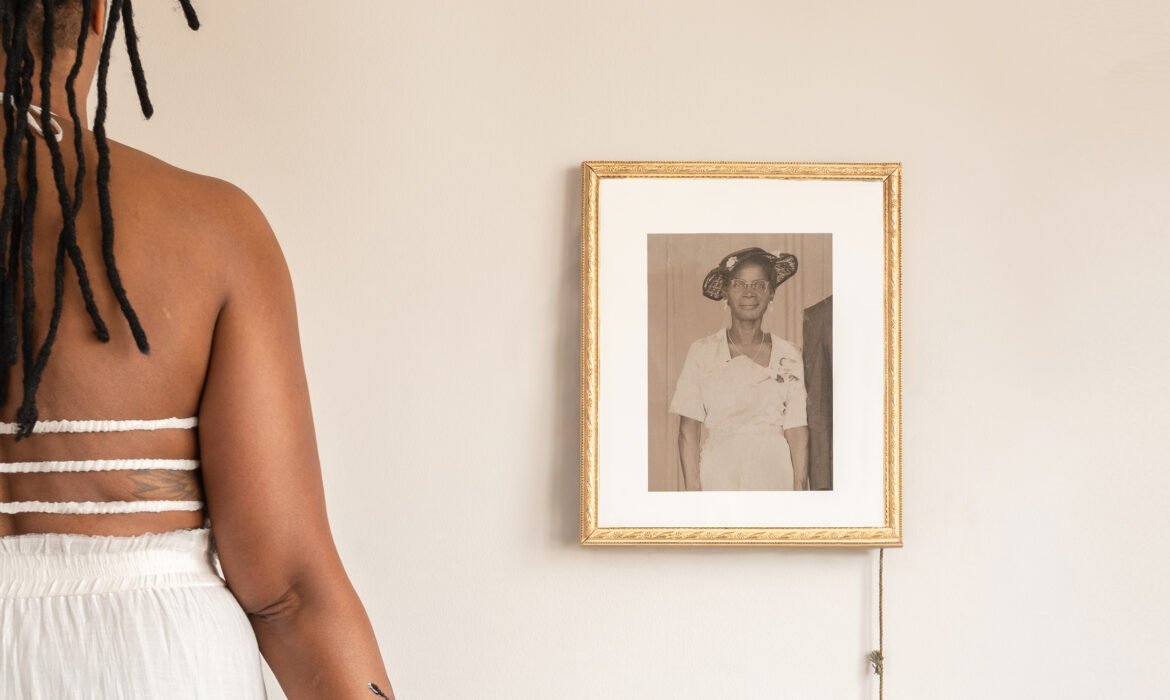
The first thing you see is a massive photo of a 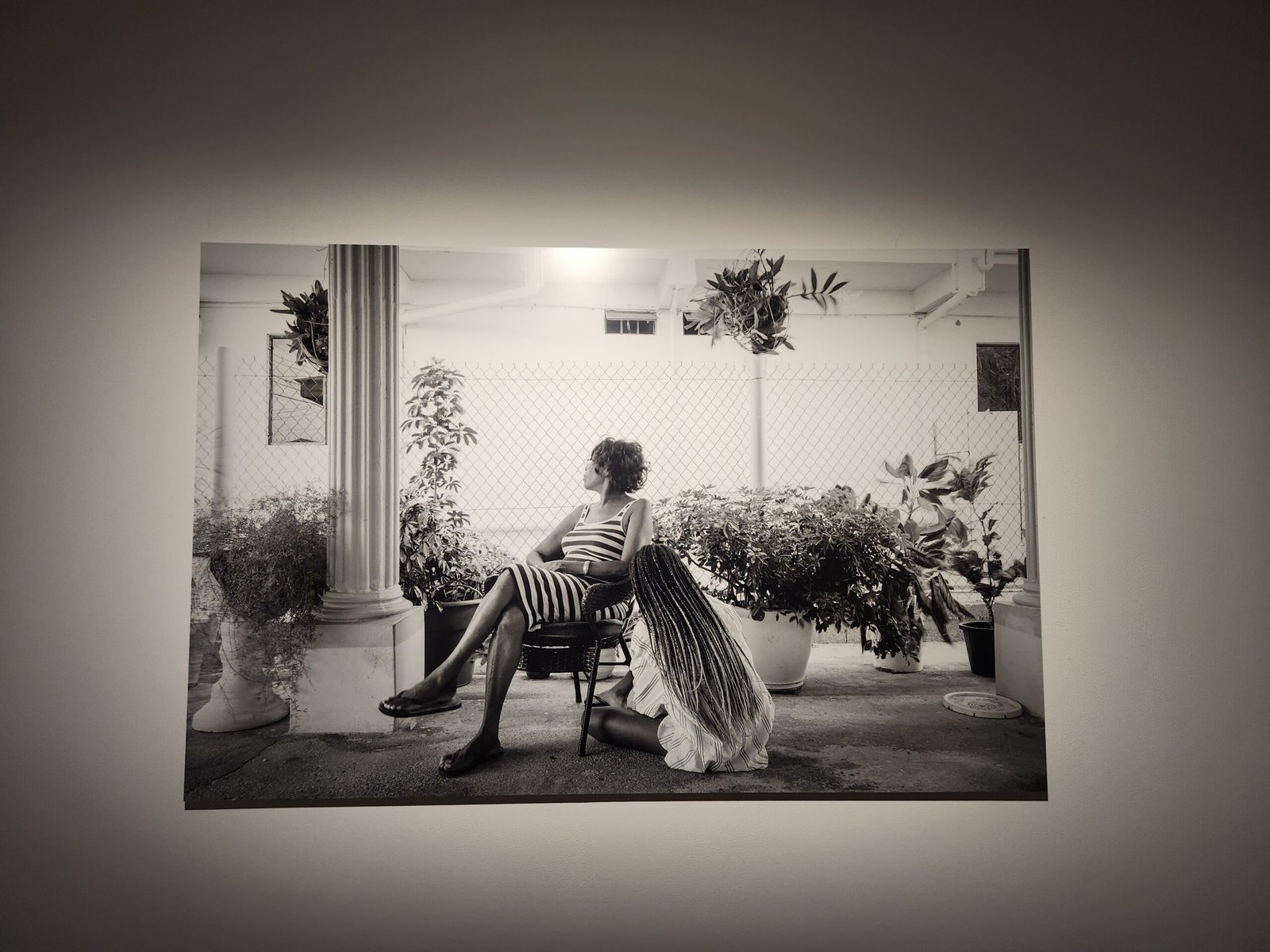 woman with hands dipped in black, looking at an old photo of, assumedly, her mother or grandmother. The black on the woman’s hands is the oil of Trinidad, which for so long had been the backbone of the country’s economy.
Next to it is a picture of Trinidad and Tobago’s Pitch Lake– the world’s largest natural asphalt lake. The second largest is just across the way in Venezuela, which is now undergoing major political change due to US President Donald Trump’s military intervention.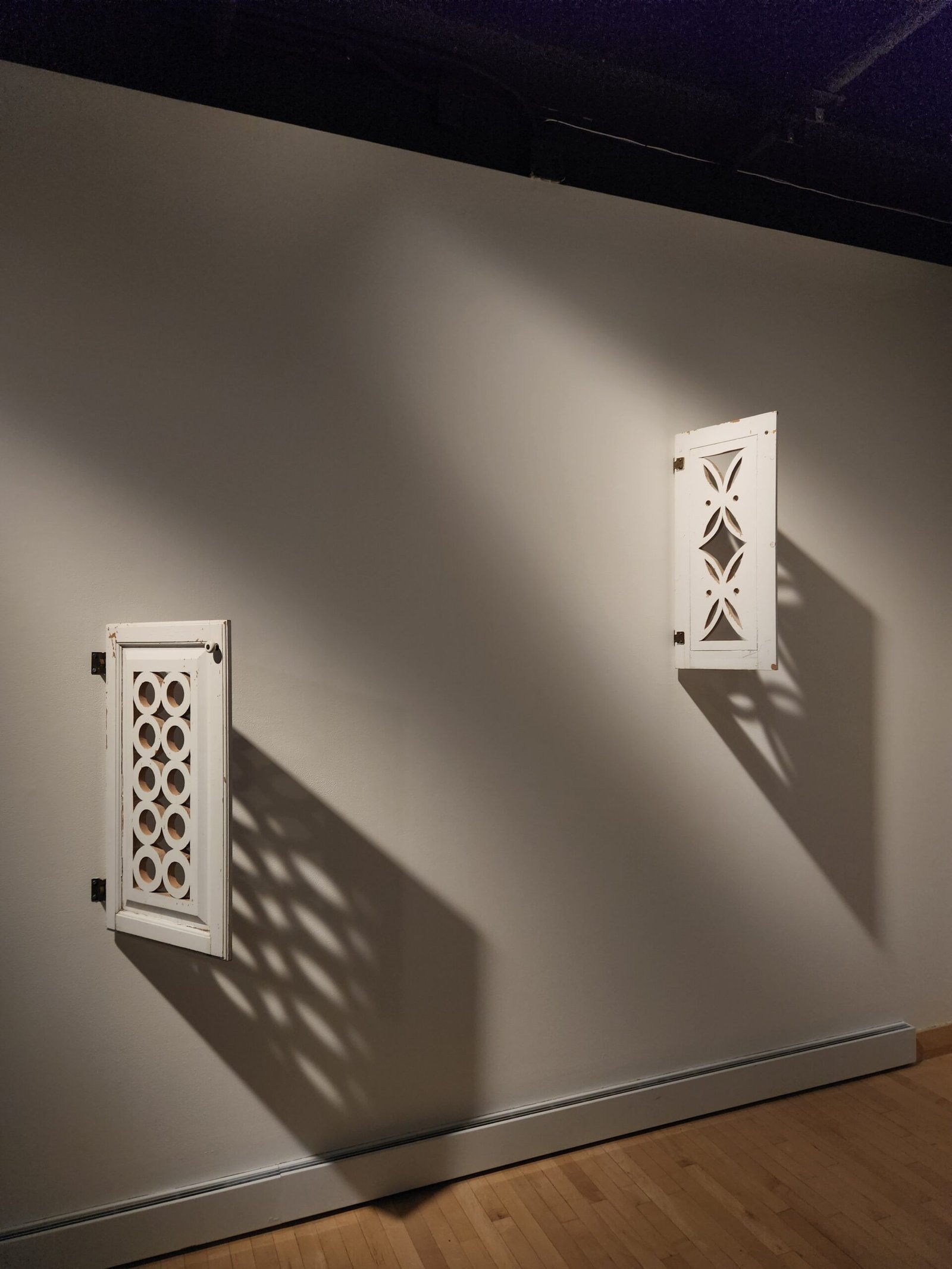
“I’m trying to connect a bunch of different things about the land, the oil, and the oil’s connection to Venezuela, and how there’s all these different people wanting the wealth from the global south,” says Mason. “To s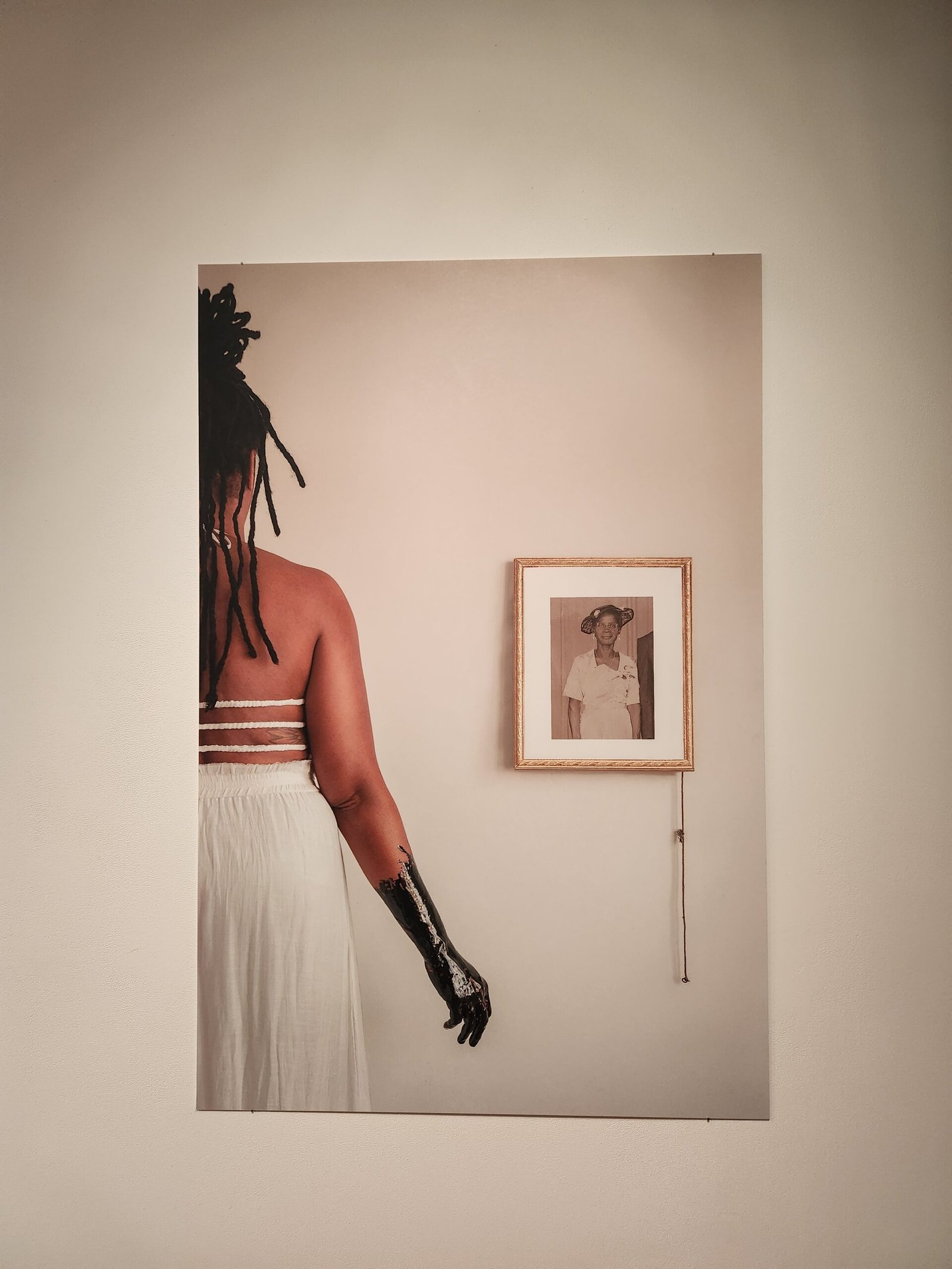 ee them altogether, […] I think it’s reading, so I feel really good about that.”
There are breeze blocks with geometrical patterns on door hinges scattered throughout the rest of the room. These are an homage to the ingenious architecture that allows air to flow through Caribbean homes, to help with the suffocating heat.
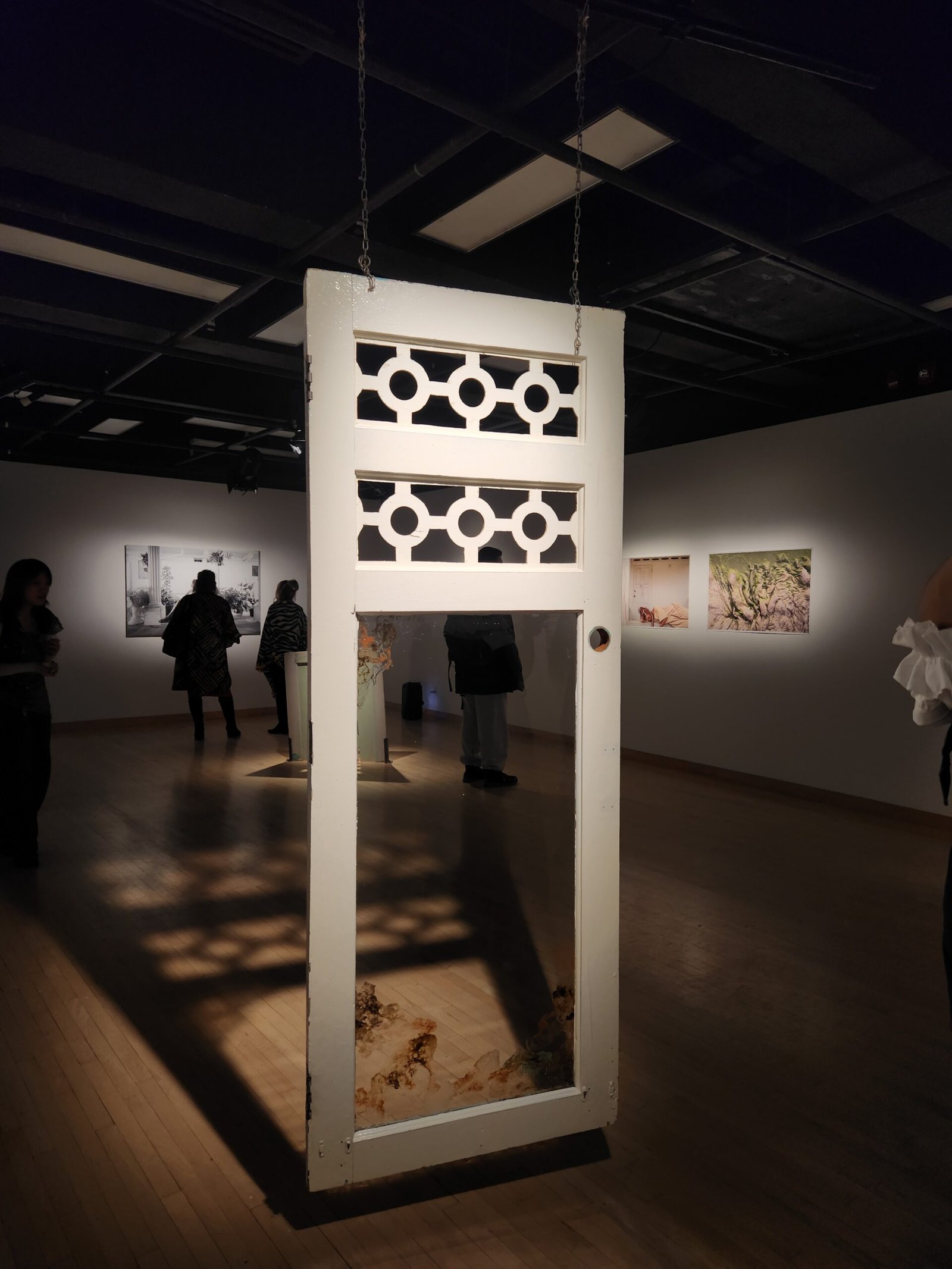
In the centre of the exhibit, a door is suspended by chains from the ceiling. The door looks well-worn and aged, with dirt and slime smudged on the window. Parallel to it is a piece of a door coming out of the ground, like a tropical version of Lewis Carroll’s Alice in Wonderland. Both doors are carved with breeze blocks, and have wood chipped away, in an illusion of deterioration.
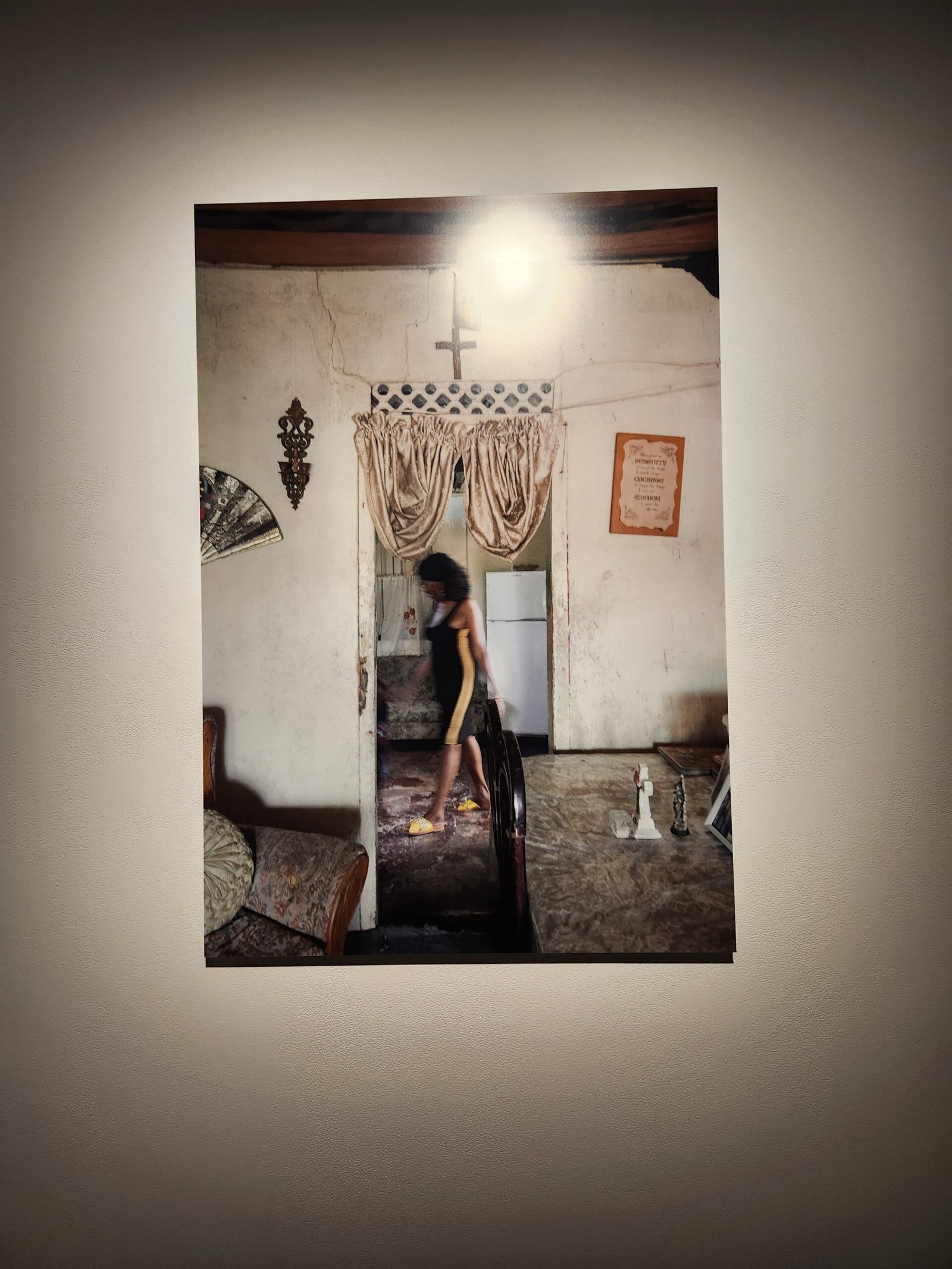
Portraits of women from Mason’s family in Trinidad, her family homes, and the textures of Pitch Lake are also interspersed with these pieces of architecture.
“I was looking at how we’re always so connected by the places that we come from,” says Mason. “I was really thinking about Caribbean architecture, and how that language, that architectural language, travels here to Montreal.”
Asia Mason’s THE TIES THAT BINDMason also thought of how Hurricane Melissa caused so much heartbreaking destruction in Jamaica.
“So much of the architecture, buildings and homes […] were destroyed. What’s it gonna look like when it’s rebuilt? And, is it gonna kinda mirror what people have in the West? Or is it gonna stay true [to Jamaican architecture?]” 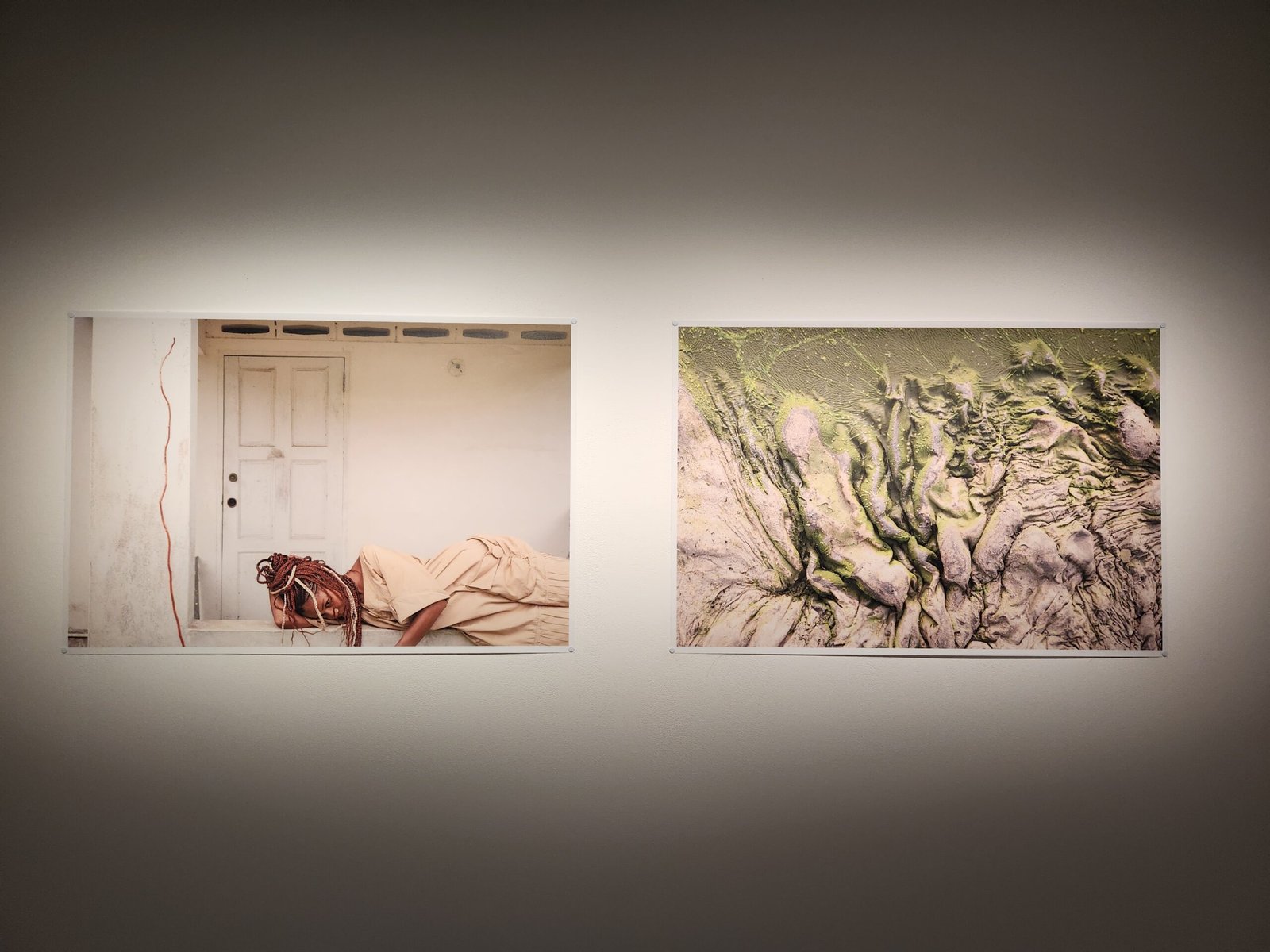
Dillon Moore explains the creative process for the exhibition started as a conversation over tea.
“[The West] often thinks of the Caribbean as fun, sun and rum, but the sovereignty that we have over our nations, they want to fight us for it, because they want our minerals. And, when I looked at the work, I understood the context of the doors. The ties that bind—her mother, her grandmother, the Pitch Lake, her great grandmother…. The architecture, her personal identity, how memories ebb and flow through the door. [They] are embedded in the soil of Trinidad.”
The Ties That Bind (Les liens qui unissent) by Asia Mason will be at the Maison de la culture de Côte-des-Neiges 5290, chemin de la Côte-des-Neiges, Montréal (Québec), H3T 1Y2 until March 8, 2026.